✓
A focused plan, not random sampling
We pick sampling locations based on the building layout, moisture history, and where you are actually noticing symptoms or odor.
Serving Seattle, Washington & surrounding areas
Mon–Fri 8am–6pm · Sat 9am–2pm
Get clear, lab-backed answers when you suspect mold. We inspect, sample, and explain your results in plain language so you can decide what to do next with confidence.
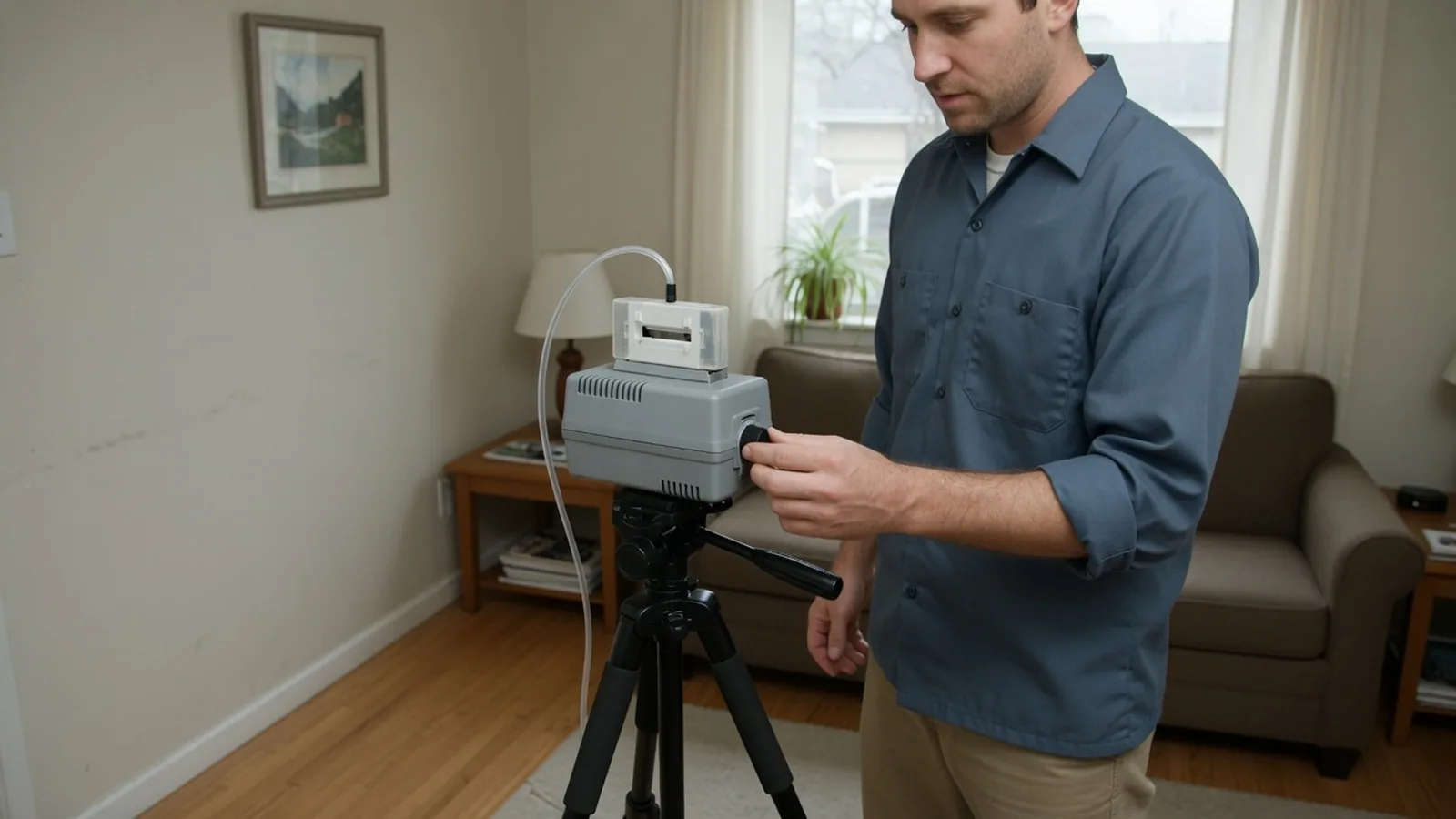
A mold test from Mold Removal Seattle starts with the right reason for testing. Sampling can be useful when you have a specific question to answer, like whether a musty odor is tied to fungal growth, whether a leak led to hidden contamination, or whether a space is ready for re-occupancy after drying and repairs.
In Seattle, indoor moisture problems often show up after roof or window leaks, plumbing failures, or slow seepage around foundations and crawlspaces during long wet stretches. Testing is also common in condos and townhomes, where odors or staining can be hard to trace across shared walls.
You may want mold testing Seattle services if any of these fit your situation:
If you already see obvious growth covering a large area, the immediate priority is controlling moisture and preventing spread. Testing still helps when it will change the plan, for example: confirming whether staining is fungal, checking a specific room, or documenting conditions for a buyer, landlord, or insurer.
Good results come from good sampling. Our mold testing process is built around choosing the right sample types, taking them in the right locations, and documenting everything so the lab report matches the real conditions in the building.
Typical sample options include:
We start by walking the space with you, asking about past leaks and odors, then checking common moisture pathways: bathrooms, kitchens, laundry areas, around windows, and lower levels like basements and crawlspaces. In older Seattle housing stock, we pay close attention to transitions between conditioned spaces and vented areas, because humidity and temperature differences can drive condensation.
Your report should do more than list spore types. We explain what was sampled, what the lab found, and what it means for decisions like repair scope, cleaning, or retesting. If you also need help planning next steps, you can coordinate the testing with our broader mold removal services in Seattle so the handoff stays simple and the documentation stays consistent.
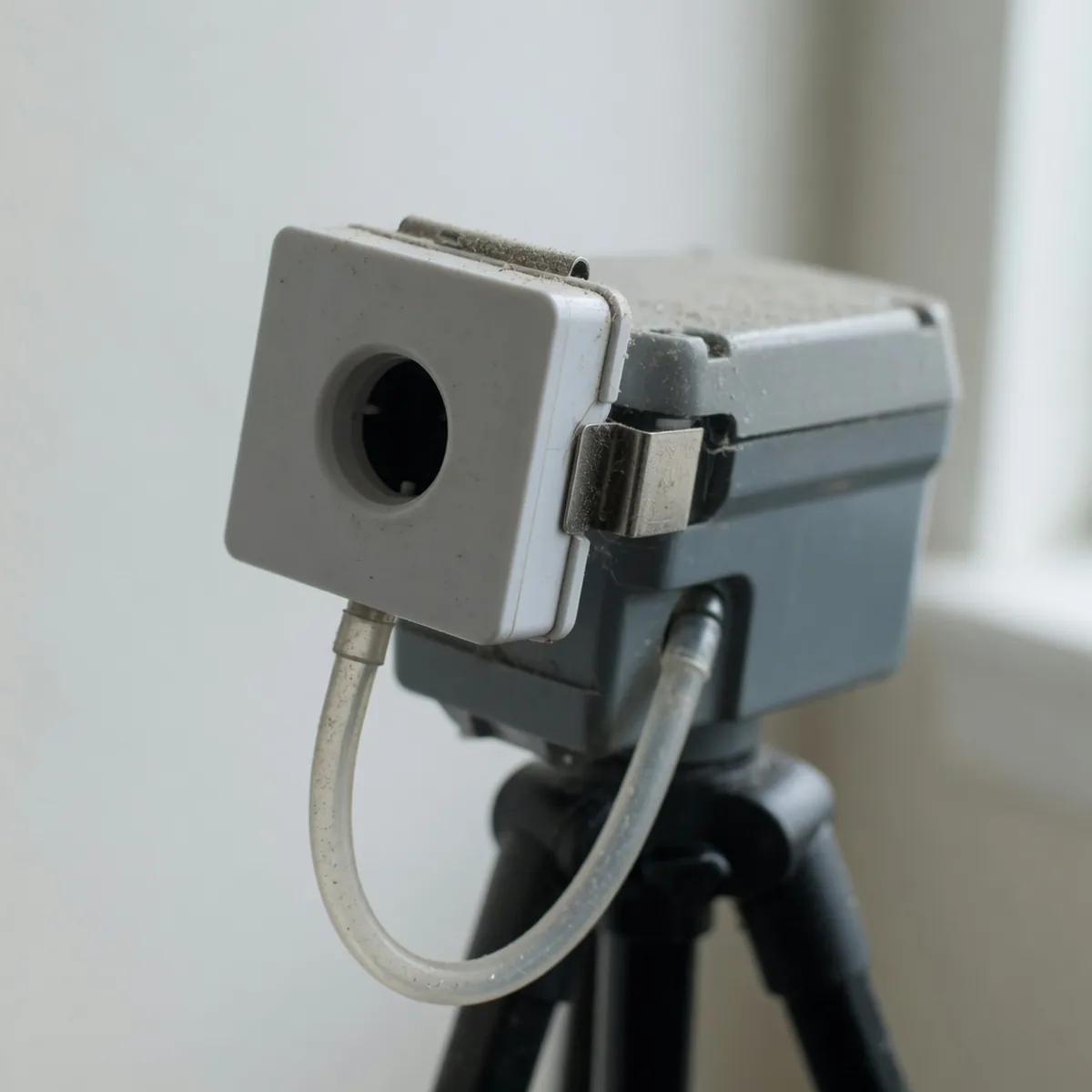
We pick sampling locations based on the building layout, moisture history, and where you are actually noticing symptoms or odor.
You receive notes on where samples were taken and why, so the report is useful for property decisions and follow-up work.
Lab reports can be confusing. We walk you through what the findings mean for the space you live or work in.
Single-family homes, condos, rentals, offices, and light commercial spaces. The goal is always the same: an answer you can act on.
When timing matters, we prioritize fast mold testing Seattle appointments so you are not waiting weeks to make a decision.
A defined process connects your concern to appropriate sampling, documented lab analysis, and practical next-step options.
Call Now 206-944-6426We confirm what you want to learn—odor source, post-leak check, real estate documentation, a specific room, or a building-wide snapshot—and the areas of concern.
We walk the property, review any known water events, and look at common problem zones like bathrooms, window perimeters, utility rooms, basements, and crawlspaces.
We collect the right sample types for your question, label each sample, and document location and conditions so lab analysis lines up with the site realities.
Samples go to a lab for analysis. When results come back, you receive a report and a straight explanation of what matters and what does not.
If the results suggest a problem, we outline practical options, such as moisture source correction, targeted cleaning, containment planning, or retesting after work is complete.
Mold testing in Seattle typically ranges from about $300 to $900+, depending on how many areas you want tested and which sample types are needed. A straightforward visit with an inspection and 1 to 2 samples is often toward the lower end, while larger homes, multi-unit situations, or documentation-heavy projects with several air and surface samples run higher.
Price depends on the number of samples, the layout—multiple floors or crawlspaces—access to suspected areas, and whether you need same-week scheduling. Exact cost is confirmed once we understand your goals and the areas to be sampled.
Fast mold testing Seattle appointments are often available on short notice, and lab turnaround is commonly a few business days depending on the lab and sample types. The on-site visit is usually under a couple of hours for a typical home, and we explain what to expect for timing when we confirm the sampling plan.
If you have clear visible growth, the most important step is stopping the moisture source and planning safe cleanup, but testing can still help when it will change decisions. For example, a surface sample can confirm whether discoloration is consistent with fungal growth, and targeted air sampling can help assess a specific room or document conditions for a transaction.
Air sampling measures what is suspended in the air at the time of testing, while surface sampling checks what is present on a specific material where you see staining or suspect growth. In many Seattle homes, the best approach is a combination: air samples to compare rooms and surface samples to confirm what a spot actually is.
In most cases, you can stay during testing. We may ask that HVAC settings remain steady and that windows stay closed for a short period before and during air sampling so the readings are more representative of normal occupied conditions.
Yes, crawlspaces and attics can be tested when access is safe and the results will help answer your question. These areas often have different air conditions than the living space, so we talk through what comparison samples make sense and how ventilation and seasonal humidity may affect interpretation.
A mold test can support that decision, but the full answer usually comes from combining the lab results with what we see on-site: the extent of visible growth, moisture conditions, and whether building materials are affected. When results point to an issue, we outline realistic next steps, ranging from source control and targeted cleaning to a larger containment-based approach.
Keep the areas of concern accessible and avoid heavy cleaning or running air purifiers right before the visit, since that can skew air results. If you have records of past leaks, repairs, or drying equipment, have those handy so we can match sampling locations to the building's moisture history.
Tell us what you are noticing, where it is happening, and any recent leaks or water damage. Mold Removal Seattle will recommend the right sampling plan and deliver clear results with next-step options for your home or business in Seattle.