✓
Containment that matches the risk
Work areas are separated with plastic barriers and maintained under negative pressure so spores stay in the work zone rather than drifting to living areas.
Serving Seattle, Washington & surrounding areas
Mon–Fri 8am–6pm · Sat 9am–2pm
If you have visible growth, musty odors, or water damage, get a clear plan for containment, safe removal, and cleanup so the air in your home stays healthy.
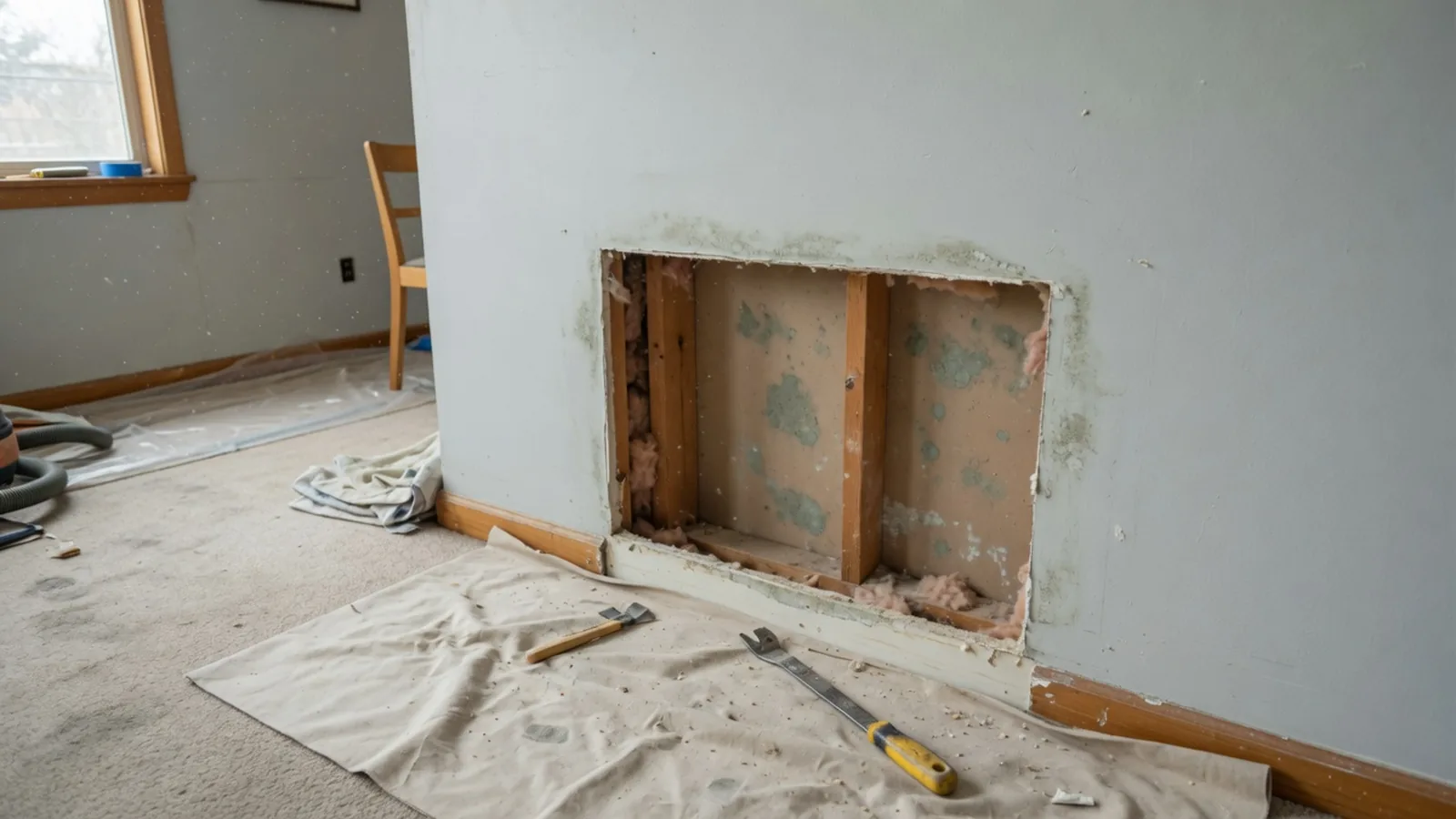
Mold is a moisture problem first and a cleanup problem second. In Seattle, long stretches of damp weather and tightly sealed buildings can keep materials wet long enough for growth to take hold in drywall, insulation, wood framing, and crawlspaces. When mold is disturbed without containment, spores and fragments can move through the home on airflow and foot traffic, turning a small issue into a bigger one.
Mold Removal Seattle handles mold remediation Seattle homeowners rely on when they need containment done right, the source addressed, and surfaces cleaned to a verifiable standard. The goal is practical: remove impacted materials that cannot be salvaged, clean and HEPA-filter remaining surfaces, and reduce the conditions that led to growth so it does not return.
If you are deciding who to hire, start with fundamentals. A proper Seattle mold remediation job includes: isolating the work zone with negative air pressure, using HEPA filtration and vacuuming, disposing of contaminated debris correctly, and documenting what was found and what was done. If any provider skips containment or plans to “fog” without removal and cleaning, you are not getting remediation.
Work areas are separated with plastic barriers and maintained under negative pressure so spores stay in the work zone rather than drifting to living areas.
HEPA air scrubbers and HEPA vacuuming reduce airborne particles during removal, cleaning, and final wipe-down.
Drywall, insulation, carpet pad, and porous items with growth are usually removed instead of treated, because surface chemicals do not reach deeply embedded contamination.
Framing and other remaining surfaces are cleaned with appropriate methods—HEPA vacuuming, damp wiping, and light abrasion when needed—based on what is present and what the material can tolerate.
Remediation plans tie back to the moisture source. A fix might be drying after a leak, correcting ventilation, or improving drainage or crawlspace moisture control, depending on what caused the growth.
You get a written scope that defines the containment area, materials to be removed, cleaning steps, and what is and is not included before work starts.
Mold shows up where moisture stays trapped. In Seattle homes and small buildings, we often see it in places that do not dry quickly.
Bathrooms and laundry areas: failed caulk or grout, poor exhaust, or hidden leaks can wet drywall and backer materials. Remediation often includes removing damaged drywall/baseboard, cleaning surrounding framing, and improving ventilation so humidity does not keep rebuilding.
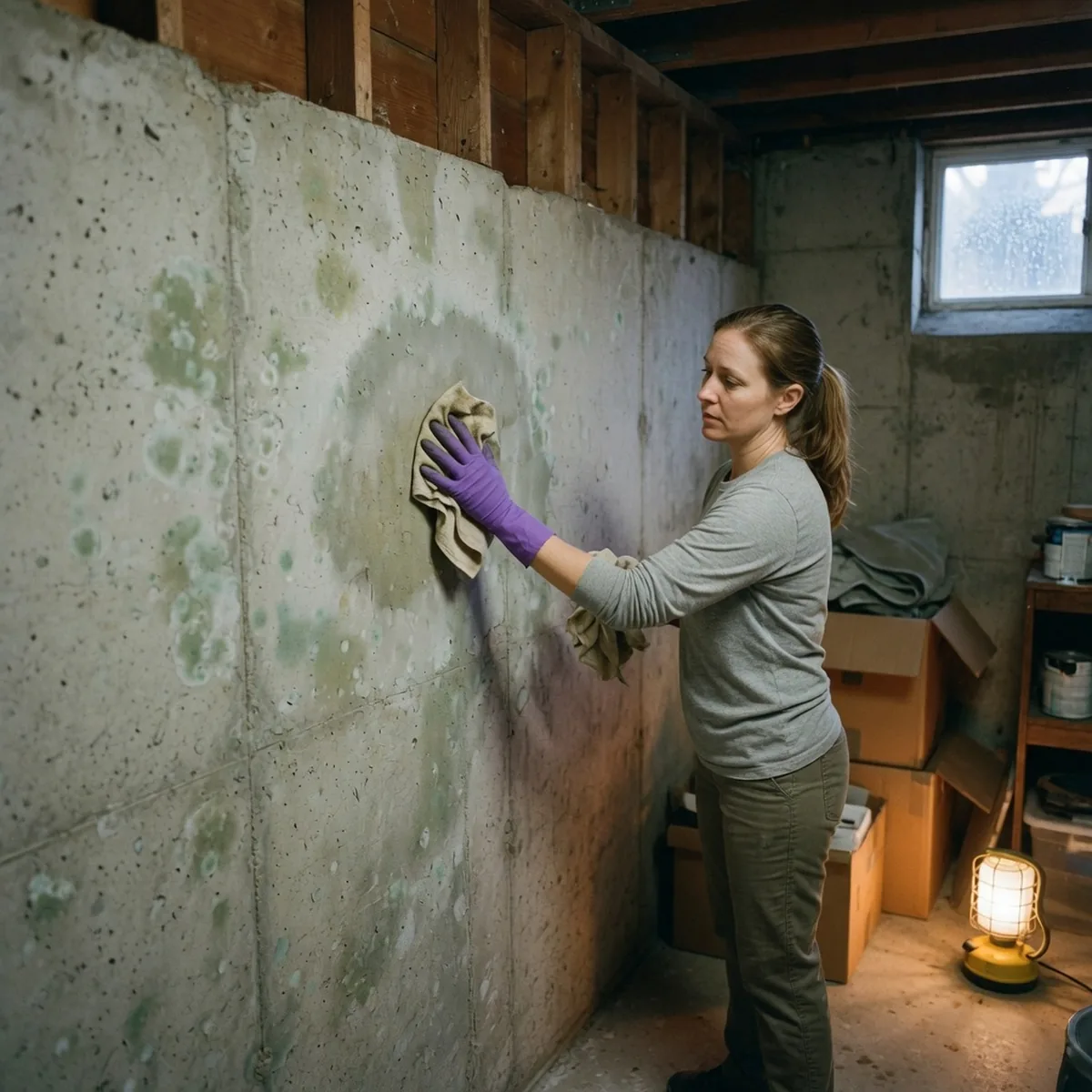
Basements and daylight lower levels: concrete walls and slab edges can stay cool and damp, especially when furnishings are placed tight to walls. Plans focus on removal of affected finishes, cleaning, and correcting moisture migration and airflow.
Crawlspaces: exposed soil, standing water, or wet insulation can drive humidity into framing. Containment and removal typically include cleaning affected joists/subflooring and controlling moisture with drainage and vapor barrier strategies appropriate to the space.
Attics and roofline areas: roof leaks and insufficient ventilation can lead to growth on sheathing. A proper approach includes isolating dusty work, cleaning affected surfaces, and confirming the leak or condensation cause has been resolved.
If you are also trying to understand who you are hiring and what to look for in a contractor overall, Mold Removal Seattle shares the basics we follow across jobs: written scopes, clear boundaries, and workmanship you can inspect.
A defined sequence keeps particles controlled, addresses the moisture conditions, and provides a clear record of completed work.
Call Now 206-944-6426We look for visible growth, water staining, and musty odor pathways, then confirm moisture conditions with standard tools—moisture meter readings and humidity checks—to help locate likely sources.
You get a defined scope for the affected areas, then we build containment with critical barriers, controlled entry, and negative air when needed to prevent cross-contamination.
Impacted porous materials are removed in a way that limits dust and debris. Contents that can be cleaned are handled separately from debris for disposal.
Remaining surfaces are cleaned using methods suited to the material and level of contamination. HEPA filtration runs during cleaning to capture airborne particles.
We verify the area can dry and stay dry. When appropriate, we outline practical next steps such as ventilation improvements, drying equipment timing, or crawlspace moisture control options.
We review the completed areas with you, confirm the scope was met, and share documentation and care notes so rebuilding can proceed with confidence.
Most mold remediation projects in Seattle typically range from about $1,500 to $6,500+, with small isolated areas sometimes closer to $800 to $1,500 and larger multi-room or crawlspace projects commonly $6,500 to $15,000+ depending on access and extent.
Final price depends on the square footage affected, how much drywall or insulation must be removed, containment complexity, whether negative air is required, how much detailed cleaning is needed on framing, and how constrained the access is. Tight crawlspaces and finished lower levels take longer. The exact cost is confirmed after an on-site inspection and written scope.
If you smell mustiness, see staining, or recently had a leak, get an inspection and a written remediation scope so you know what will be removed, what will be cleaned, and how spread will be controlled.
Call Now 206-944-6426Most projects take 1 to 3 days of on-site work, but the timeline depends on how much material must be removed and how quickly the area can be dried. A small bathroom wall or a limited closet area may be completed in a day, while crawlspaces, multi-room issues, or remediation tied to ongoing drying can take several days. If drying equipment is needed, that can add time even after removal and cleaning are complete.
Often you can stay home, but you should plan to avoid the contained work area until cleanup is complete and barriers come down. When the affected area is a bedroom, main hallway, or large open-concept space, temporary relocation for a night or two can be more comfortable. People with asthma, allergies, or immune concerns should be cautious and discuss the safest plan before work starts.
Testing is not required for every job, but it can be useful when the source is unclear, the area is large, or you need third-party clearance documentation. Many customers choose to start with a thorough inspection and a remediation plan based on visible conditions and moisture findings. Post-remediation verification is most meaningful when sampling is performed by an independent indoor environmental professional rather than the remediation crew.
Sometimes, but only when the contamination is truly surface-level and the material can be cleaned without leaving embedded growth behind. Painted drywall with visible growth often indicates moisture behind or within the gypsum core, and removal is frequently the correct approach. A credible plan explains why a surface-clean is appropriate, what will be cleaned, and how the area will be kept dry afterward.
Clear a path to the affected area and remove personal items you do not want inside the containment zone. If safe, stop the water source—shut off a leaking supply line, pause a running bath fan that is not exhausting properly, or place a bucket under an active drip. Avoid scrubbing visible mold or running fans that blow across it, since that can spread particles into adjacent rooms.
Coverage depends on the cause of loss and the details of your policy, and many policies limit mold coverage. Sudden water events, like a supply-line leak, are more likely to be covered than long-term seepage or maintenance issues. A written scope and clear photos of the affected materials help when you are documenting the job for a claim.
Tell us what you are seeing and where it is happening. We will recommend next steps, confirm what needs containment and removal, and provide a written scope for mold remediation in Seattle.