✓
Musty odor that comes and goes
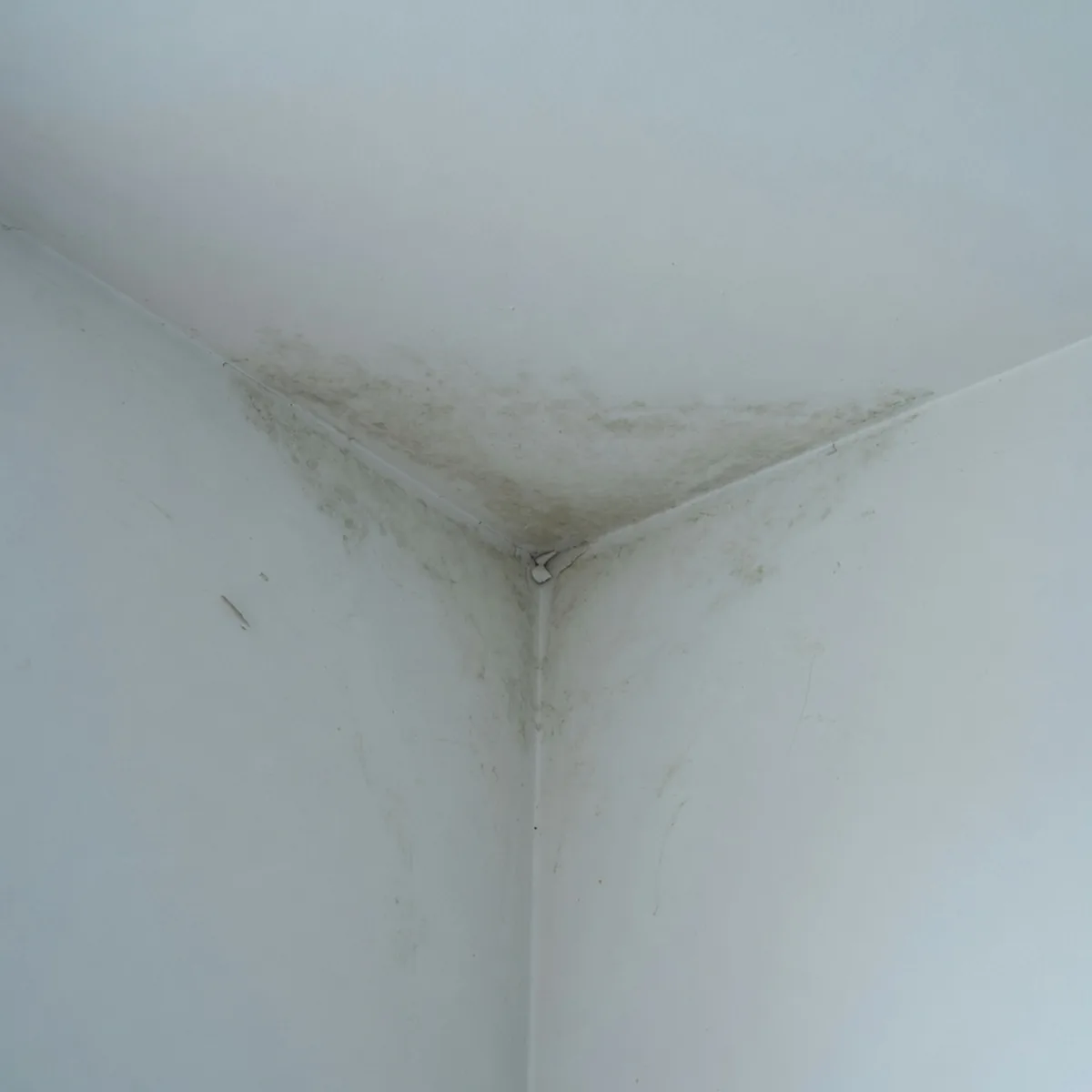
Often tied to humidity swings, damp crawl spaces, or wall cavities that get wet during wind-driven rain. We focus on exterior walls, closets, and areas with limited airflow.
Serving Seattle, Washington & surrounding areas
Mon–Fri 8am–6pm · Sat 9am–2pm
If you smell something musty, see staining, or have had a leak, an inspection gives you clear answers. We identify likely moisture sources, inspect the right areas, and deliver a written report you can use to plan next steps with confidence.
Searching for mold inspection Seattle usually comes down to one of a few triggers: a roof or plumbing leak, a damp crawl space, visible spotting on drywall or framing, or health concerns that seem tied to time spent indoors. In Seattle, long wet stretches and slow-drying building assemblies can keep materials damp longer than people expect, especially around exterior walls, basements, and older window details.
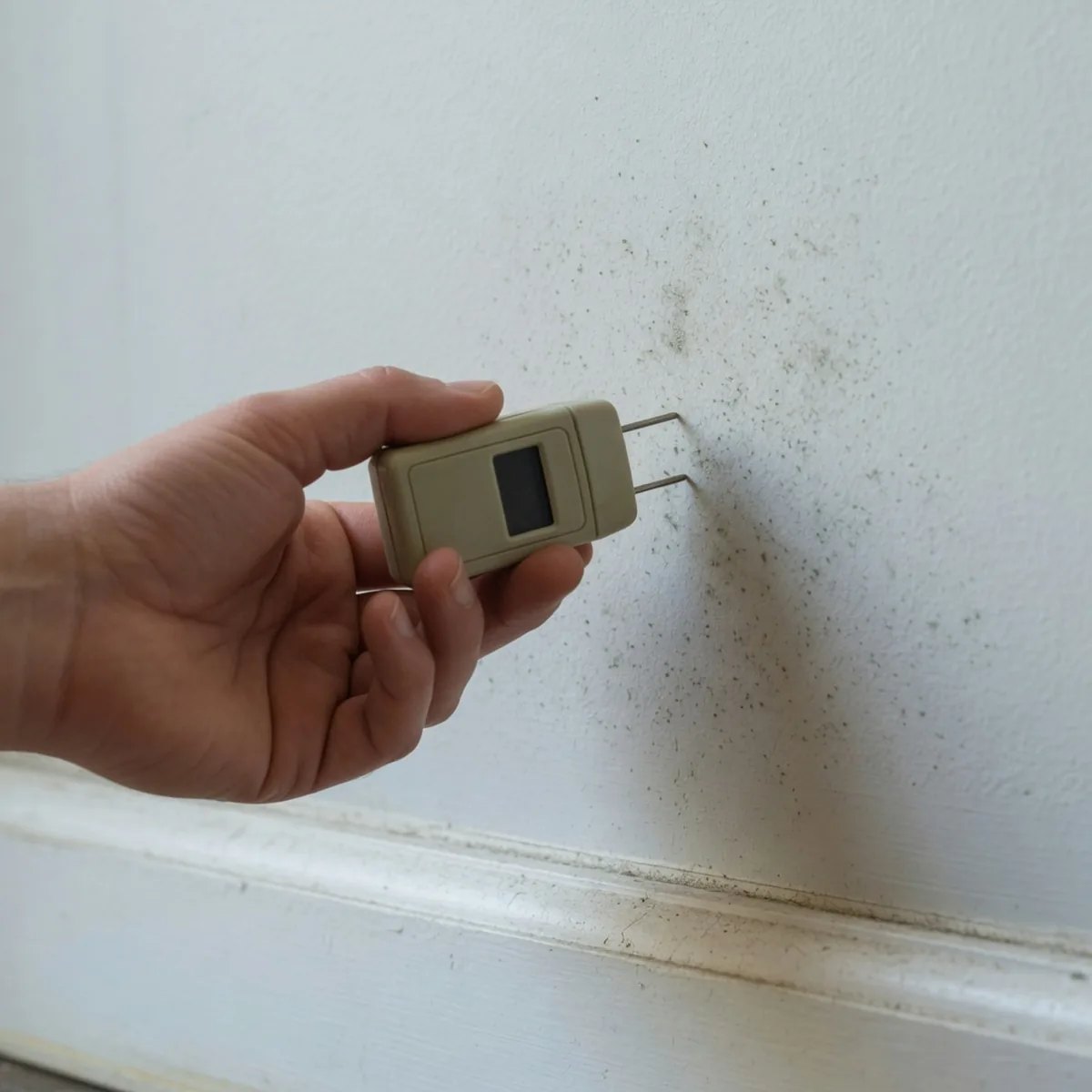
A good inspection is not a quick glance and a flashlight. It is a methodical look at where water is getting in or where humidity is building up, plus documentation you can act on. That means checking the areas most likely to hide growth—behind stored items, around sill plates, inside closets on exterior walls, under sinks, and around bathroom penetrations—and verifying moisture conditions with instruments. If sampling is appropriate, it is done with a plan, not as a default add-on.
Mold Removal Seattle performs residential and commercial mold inspections in Seattle, WA, with a focus on clear findings and practical next steps.
A mold inspection should answer three questions: Where is the moisture coming from, where is growth likely present—including hidden areas—and what should happen next.
Typical inspection work includes:
Your written report should be specific, not generic. We document inspected locations, moisture findings, visible conditions, photos, and a practical recommendation for containment and removal planning when warranted.
Often tied to humidity swings, damp crawl spaces, or wall cavities that get wet during wind-driven rain. We focus on exterior walls, closets, and areas with limited airflow.
Can indicate condensation or water intrusion. We check moisture at sills, jambs, and adjacent drywall to see whether it is a surface issue or a hidden wet cavity.
May be poor ventilation, a leak at a penetration, or a wet attic condition above. We look beyond the visible surface so the fix matches the cause.
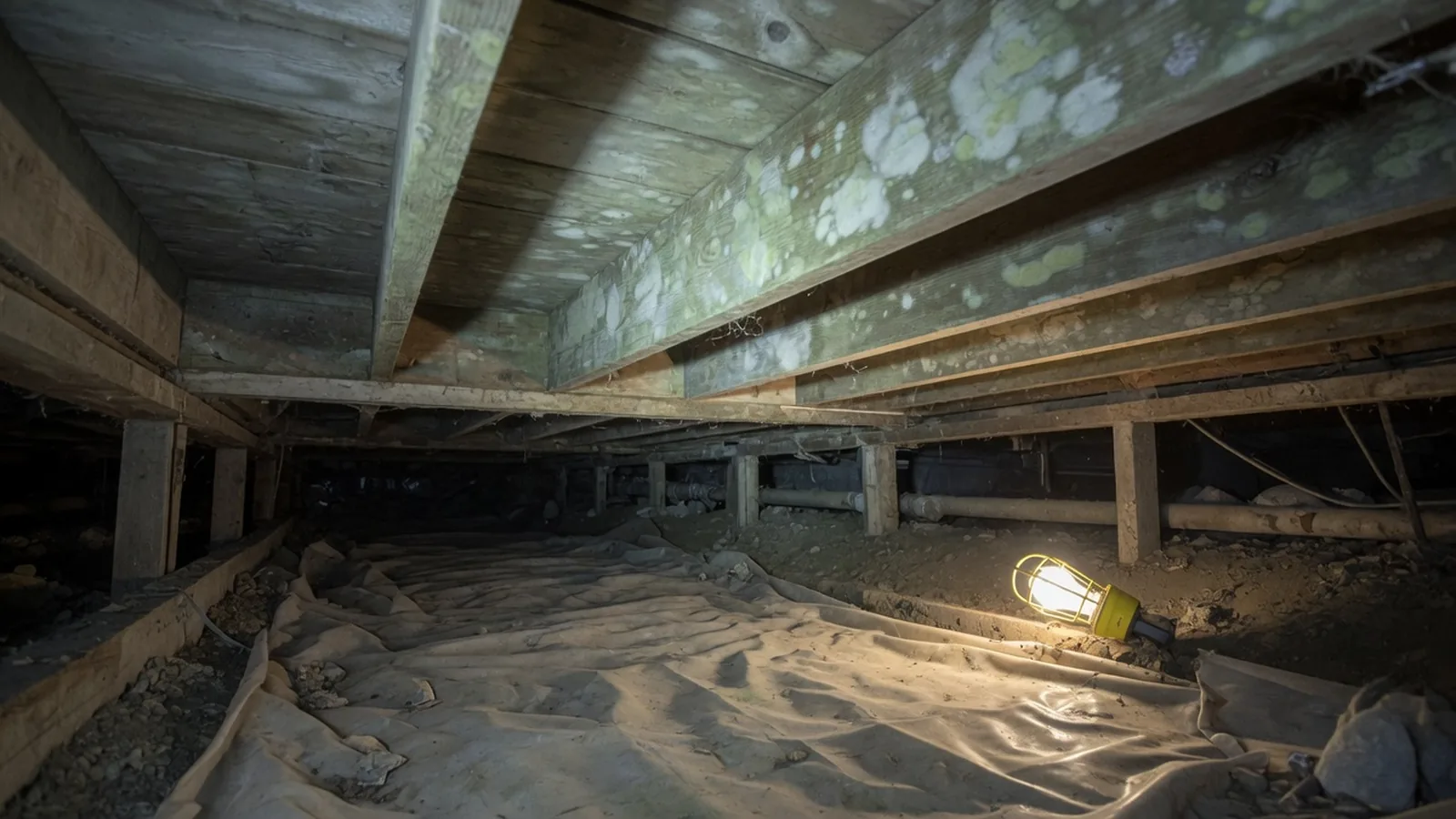
Seattle homes with vented crawl spaces can build moisture during wet periods. We look for standing water, wet soil, plumbing drips, and signs of elevated wood moisture.
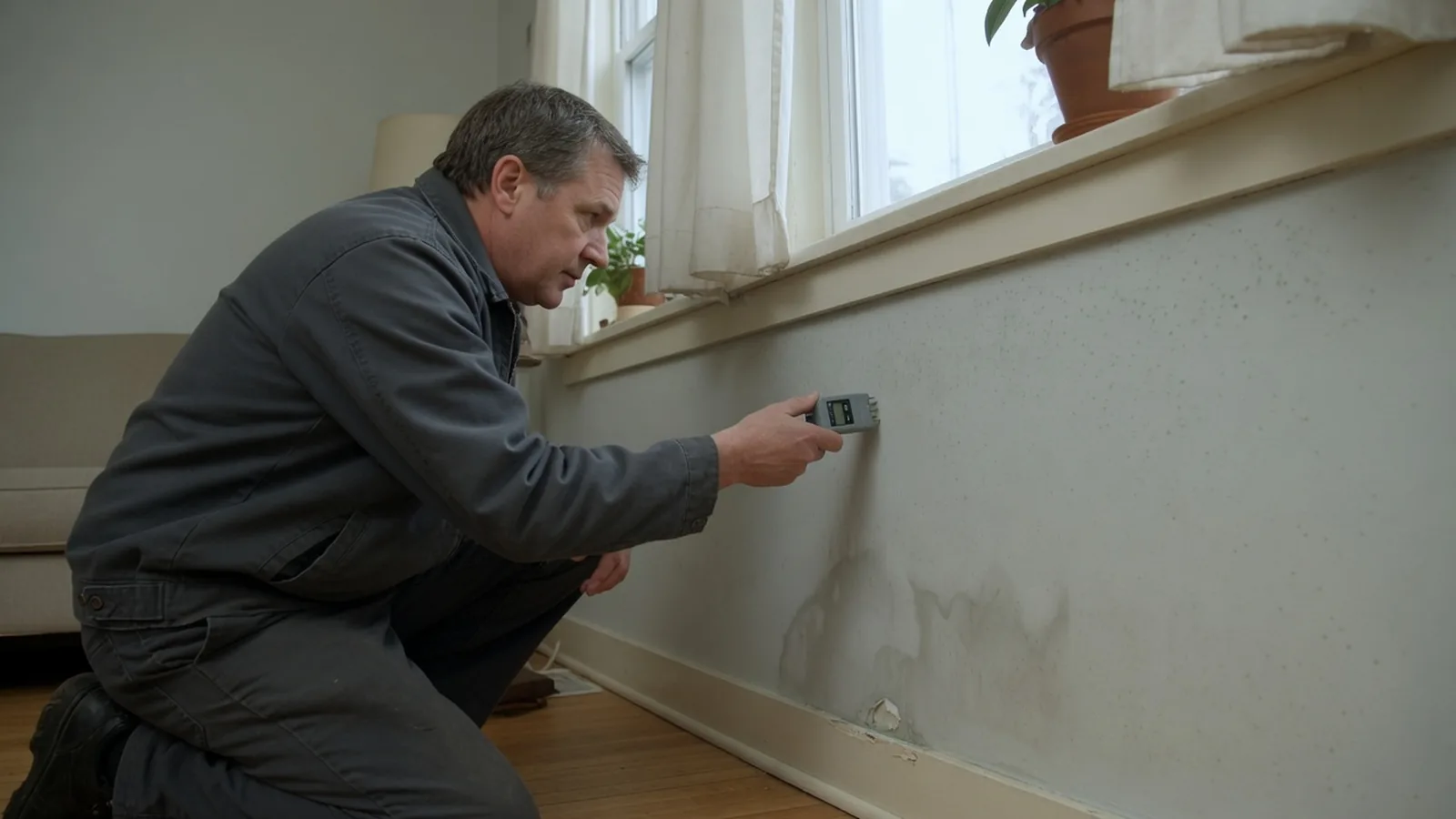
Materials can be dry to the touch and still hold moisture deeper inside. We verify with readings so you are not guessing about what needs to be opened or dried.
A focused sequence keeps the inspection tied to your concern, avoids unnecessary sampling, and produces findings you can act on.
Call Now 206-944-6426We start by clarifying what prompted the inspection: odor, visible growth, a known leak, a real estate concern, or ongoing dampness. This determines where we focus and whether sampling is likely to help.
We inspect the suspected areas first, then expand to related building assemblies—adjacent rooms, shared walls, ceilings below bathrooms, or areas under roof transitions. Moisture readings guide what is worth opening and what is not.
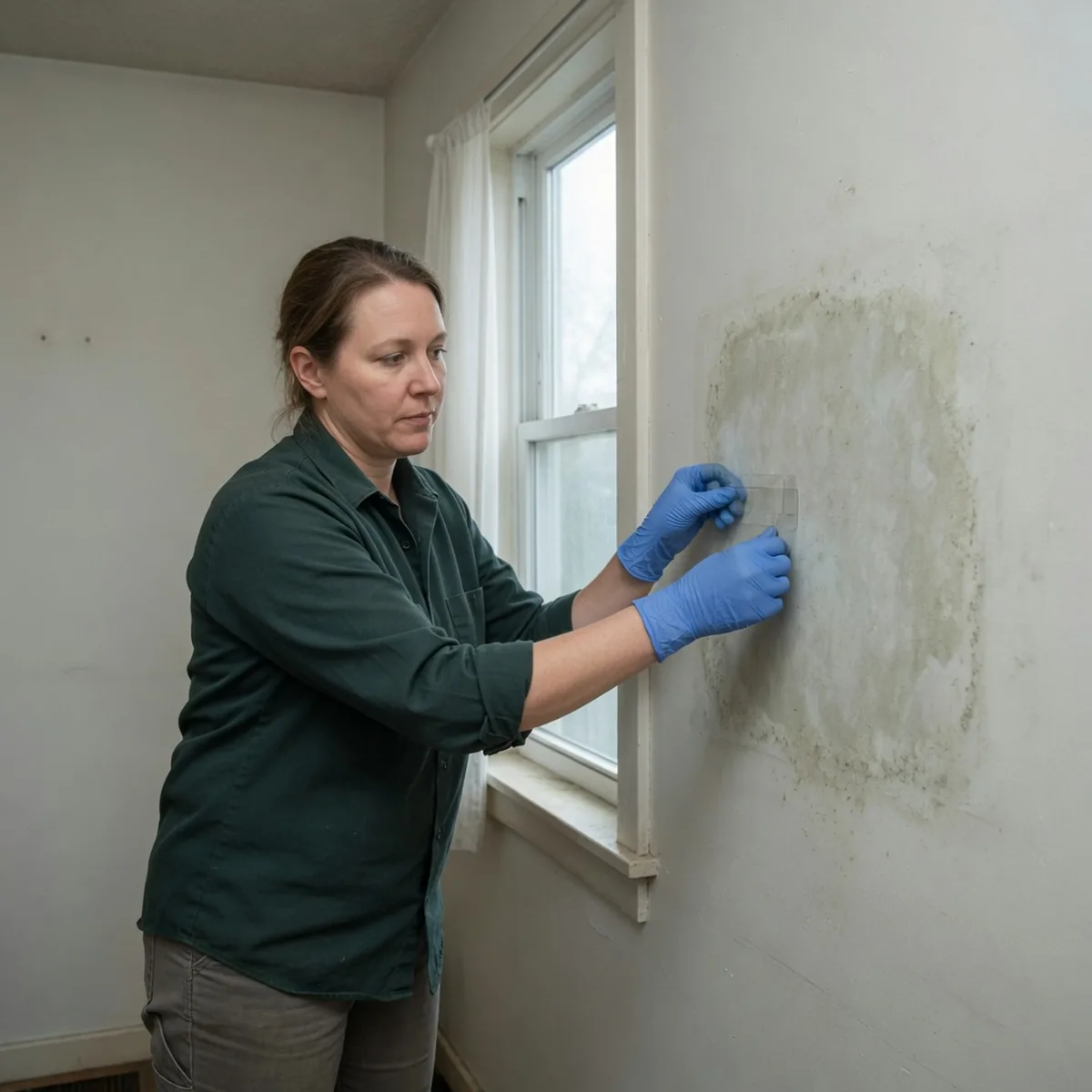
If sampling answers a real question, we collect it deliberately and document chain-of-custody details. If the issue is clearly visible and the priority is scope and next steps, we explain when sampling is unnecessary.
You receive a written summary of findings with photos and clear recommendations. If removal work is needed, we outline practical next steps such as containment approach, likely material-removal areas, and what to correct to prevent recurrence.
Most mold inspection appointments in Seattle typically range from about $300 to $800, depending on property size, how many areas need investigation, and whether sampling is included. A small, single-area concern often falls near the lower end, while larger homes, crawl spaces, and multi-room moisture mapping tend to cost more.
Final pricing is mainly driven by access to attics and crawl spaces, the time needed to trace moisture pathways, the number of samples if any, and documentation requirements for real estate or property management. The exact cost is confirmed after we understand the concern and the scope of the on-site inspection.
Seattle buildings see a lot of moisture exposure, so inspection quality depends on understanding how water moves through common local building types.
If an inspection confirms conditions that require professional removal, we can explain what a proper removal plan looks like and what to expect during mold removal services. We keep the inspection focused on findings and scope so you can make a clear decision on next steps.
You often only need testing if the results will change the plan, such as when you cannot see the suspect area, you need baseline documentation, or you are comparing indoor and outdoor conditions. If there is clearly visible growth and moisture damage, the most useful outcome is usually a documented scope and guidance on correcting the moisture source, with sampling used selectively.
Most Seattle mold inspections take about 60 to 150 minutes on site, depending on property size and access to attics, crawl spaces, and under-sink areas. Multi-unit or multi-tenant commercial spaces can take longer because we may need to inspect multiple wet walls, shared plumbing chases, and separate HVAC zones.
Yes, as long as there is safe access and conditions allow for entry. Many Seattle homes have limited crawl space clearance, so we plan for lighting, PPE, and careful movement, and we document areas we cannot safely reach so you know what remains unverified.
An inspection can often narrow the moisture source to a specific area or pathway, but it cannot always pinpoint a single defect without opening materials. We use moisture mapping and pattern clues to identify the most likely entry points, then recommend the least invasive next step to confirm the source.
Leave suspect areas accessible and avoid using heavy fragrances, ozone devices, or foggers beforehand because they can mask odors and complicate interpretation. If the concern is in a bathroom or laundry area, keep it in its normal day-to-day condition so humidity patterns are realistic for how the space is used in Seattle.
Yes. A useful mold inspection report includes inspected locations, photos, moisture findings, and a clear recommendation for next steps. For Seattle rentals or sales, that written documentation is often what helps move the conversation from opinions to an actionable plan.
Tell us what you are seeing or smelling and where it is happening. We will recommend the right type of mold inspection for your Seattle property and provide a written report with practical next-step guidance.